
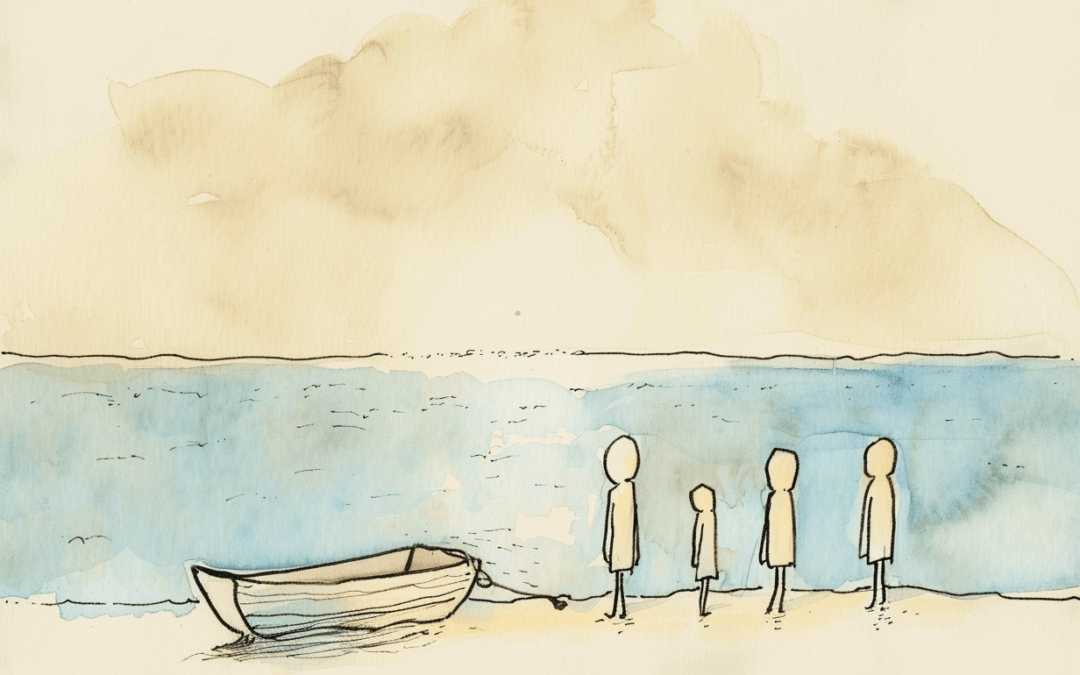
When people think of family bonding, they often imagine something sentimental: shared meals, holidays, time spent together etc
But from a systemic perspective, bonding is not primarily emotional
it is regulatory.
Families don’t bond through talking about connection.
They bond through shared experience that the nervous system can trust.
Play Is How Systems Regulate
In healthy family systems, play is not entertainment.
It is information.
Through play, families communicate:
- safety
- flexibility
- permission to experiment
- permission to fail without consequence
Play tells the nervous system:
This system can bend without breaking.
When families lose play, systems become rigid.
Roles harden.
Communication narrows.
Stress moves underground.
This is why families often feel closer on holiday — not because problems disappear, but because pressure temporarily lifts.
Bonding Happens Sideways
One of the biggest misconceptions about bonding is that it happens through intention.
In reality, bonding happens sideways.
Not through:
- “Let’s have a meaningful conversation”
- “Let’s talk about our feelings”
- “Let’s do quality time correctly”
But through:
- shared laughter
- parallel activity
- boredom
- inefficiency
- moments where no one is in charge
From a systemic lens, these moments allow hierarchies to soften and roles to loosen — even briefly.
And those brief moments matter.
Why August Is a Critical Month for Family Systems
August sits outside routine.
School structures are paused.
Work rhythms shift.
Time becomes less defined.
This makes August a diagnostic month for family systems.
Not because it reveals what’s wrong, but because it reveals how flexible the system actually is.
Can the family tolerate unstructured time?
Can members renegotiate closeness and distance?
Can roles soften without anxiety taking over?
Families don’t need perfection.
They need elasticity.
What Strengthens Bonds (Without Trying)
From decades of systemic observation, families bond most deeply when:
- no one is being improved
- no one is being evaluated
- no one is being “worked on”
- no one is performing closeness
Bonding happens when the system feels: “We can simply be here together.”
August offers this possibility — not automatically, but naturally.
Not as a task.
Not as a goal.
But as an environmental shift.
And environments shape systems more powerfully than insight ever could.